
Japan Travel Decision Guide
Travel Insurance for Japan: Medical, Typhoons & Trip Costs
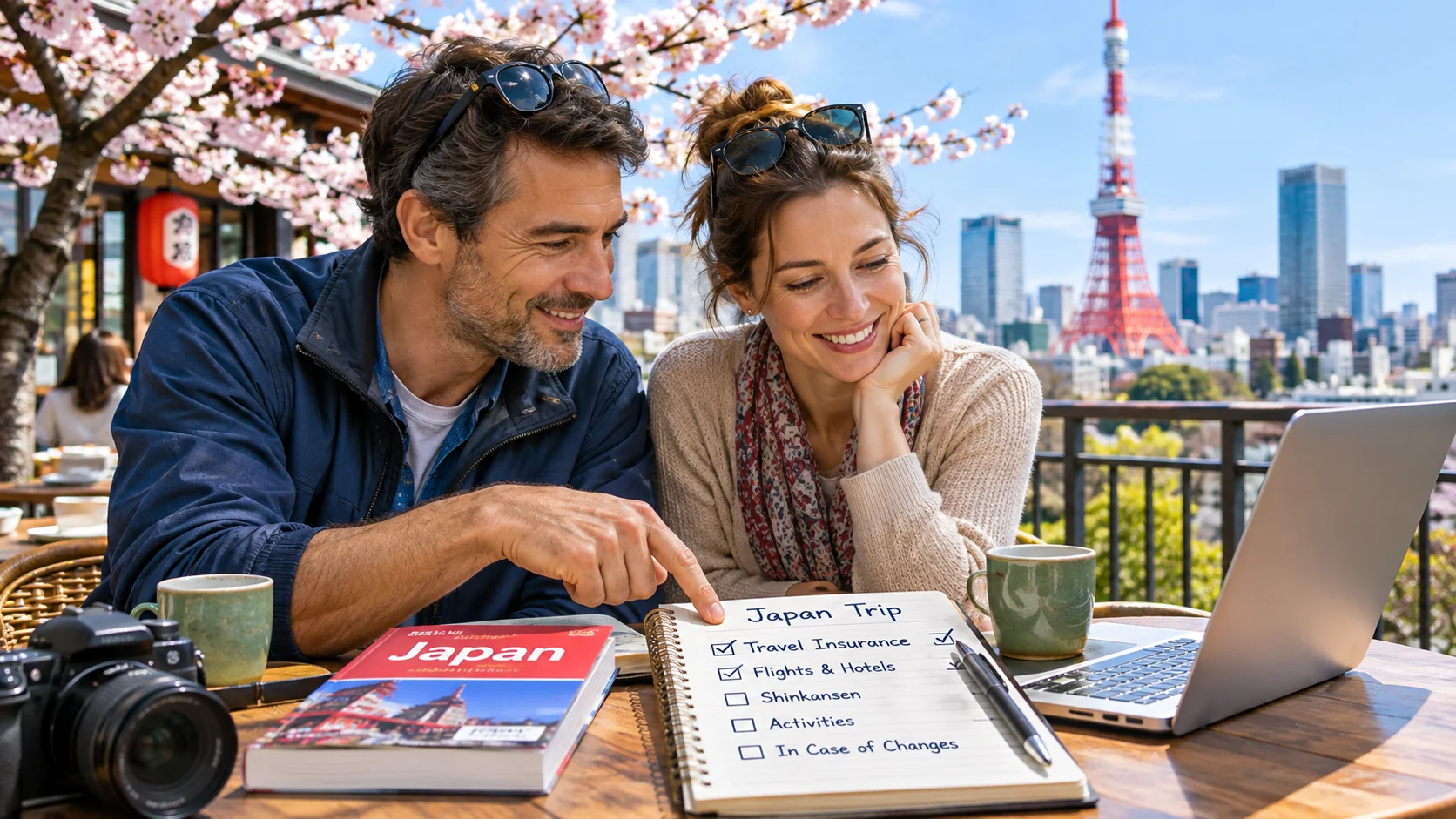
A Japan trip can combine long-haul flights, prepaid Tokyo and Kyoto hotels, Shinkansen journeys, Mount Fuji outings and a cruise. The first insurance decision is simple: do you mainly need protection against an overseas medical bill, or could you also lose substantial prepaid trip costs? This guide compares those two paths and the Japan-specific exclusions that can change the answer.
The decision: Check your existing international medical and credit-card benefits first. Compare travel medical coverage if treatment or medically necessary evacuation is the main gap; compare comprehensive trip coverage if you also have substantial nonrefundable costs. Evaluate typhoon, earthquake, rail-connection, cruise and activity wording separately.
Compare your options: Travel medical plans · Comprehensive trip plans
About This Guidance
Our Japan insurance guidance compares official medical and travel-safety information with real policy questions: trip cost, purchase timing, natural-disaster coverage, transport connections and evacuation or activity exclusions. Policy documents determine coverage; Travel Fine Print is not an insurer or licensed insurance adviser. Explore our Travel Insurance & Documents hub for related decisions.
Quick Answer
Do you need travel insurance for Japan?
Travel insurance is generally not a standard entry requirement for short tourist visits to Japan, but Japan strongly recommends private medical insurance for international visitors. Emergency treatment and hospitalization can be expensive, and domestic health coverage may not follow you overseas. Confirm entry rules for your nationality and purpose of travel.
Choose by the risk you cannot absorb: For a flexible, mostly refundable Tokyo city break, start with the overseas medical and evacuation coverage you already have. For costly flights, prepaid hotels, cruises and separately booked connections, also compare comprehensive trip insurance. No policy automatically covers every typhoon, earthquake, train delay or change of plans.
Medical protection: Compare travel medical insurance Trip protection: Compare comprehensive trip insurance
The Decision in 30 Seconds
Which travel insurance should you compare for Japan?
| Your Japan itinerary | Best first comparison |
|---|---|
| Flexible Tokyo city break | Confirm your existing overseas medical, hospital payment and evacuation benefits, then compare travel medical plans if there is a gap. |
| Nonrefundable flights, hotels or tours | Compare comprehensive coverage for eligible cancellation and interruption reasons; exclude genuinely refundable costs. |
| Tokyo–Kyoto–Hiroshima by Shinkansen | First check JR refund or exchange rights. Then evaluate trip-delay and missed-connection triggers through comprehensive plans. |
| Typhoon-season or multi-stop itinerary | Inspect weather-event timing, named-event exclusions and required delay thresholds in trip insurance options. |
| Japan cruise or separate port transfer | Check missed-embarkation triggers, shipboard treatment and medically necessary evacuation; compare cruise insurance considerations. |
| Mount Fuji climbing, skiing or diving | Verify activity classification, rescue and evacuation benefits. Review adventure coverage guidance. |
The Essential Difference
Emergency medical and comprehensive trip insurance do different jobs.
Travel medical insurance focuses on eligible care during an overseas medical emergency, often with an evacuation or assistance benefit. Comprehensive trip insurance may include medical protection plus specified cancellation, interruption, delay, missed-connection and baggage benefits. The contract and selected benefits—not the category name—control what happens after a disruption.
Check what you already have. Credit-card travel protection often focuses on trip costs rather than health care. Original U.S. Medicare generally provides little coverage outside the United States, and some Canadian provincial plans cover limited overseas costs. Review your own policies, not assumed benefits.

Purchase Timing
When should you buy travel insurance for Japan?
Compare insurance soon after your first trip payment—not just before departure. Some pre-existing-condition waivers and optional Cancel For Any Reason (CFAR) benefits, if offered, require purchase within a defined window after that initial deposit. Events already known or foreseeable when you purchase may be excluded.
Gather your residence, traveler ages, departure and return dates, first trip-payment date and actual nonrefundable insured trip cost. Record your cruise, destinations, separate rail or air tickets and intended higher-risk activities. The same inputs across quotes make coverage easier to compare.
TFP booking rule: Read time-sensitive benefits before making another expensive nonrefundable payment. A later policy purchase cannot reliably turn a known typhoon, illness or other foreseeable event into a covered surprise.
See also our insurance for refundable flights decision guide. Compare trip policies
Compare Policies Without Guesswork
Five coverage terms matter more than the cheapest premium.
Emergency medical treatment and evacuation
Look for eligible emergency treatment limits, deductibles, assistance contacts, payment procedures, transport approval and whether evacuation is to the nearest suitable hospital rather than automatically home.
Cancellation and interruption
Compare covered illness, injury and other triggers against what you would really lose on flights, prepaid hotels, tours or cruise bookings. CFAR is separate from ordinary covered-reason cancellation.
Typhoons, earthquakes and known events
Check when an event becomes foreseeable, whether an evacuation order or carrier shutdown qualifies, delay thresholds and any explicit natural-disaster exclusions. A weather alert alone is not necessarily a claim.
Trains, missed connections and extra nights
Identify which carriers and separately booked connections qualify. First check the train operator’s refund or exchange rules; then compare insurance triggers for missed connections, minimum delay hours and extra hotel or transport costs. A train-ticket refund does not itself reimburse an unrelated hotel or flight.
Activities, rescue and claim documents
Mount Fuji climbing, off-piste skiing and diving may require specialized terms. Search-and-rescue may be separate from medical evacuation. Check receipts and claims deadlines before travel.
Fine-print rule: A plan advertising “natural disaster” or “travel delay” benefits can still have narrow qualifying conditions. Ask the insurer how the wording applies to a canceled Shinkansen, a typhoon warning issued before purchase, or an interrupted cruise, and read the issued certificate.
Entry Rules and Medical Expenses
Is travel insurance required to enter Japan?
Private travel insurance is strongly recommended by Japanese authorities, but it is generally not a standard entry condition for ordinary short tourist visits. Visa, entry, and documentation requirements still vary by nationality and circumstances; verify those separately before travel.
Japan’s Ministry of Health, Labour and Welfare warns that treatment for international visitors can be costly and strongly recommends private insurance. The Ministry of Health’s visitor guidance and Japan National Tourism Organization’s insurance guide are useful official starting points.
Before purchase, check whether your provider has a 24-hour assistance service, how medical bills are handled, and whether eligible transport to another facility requires prior authorization. A traveler may need to pay upfront and request reimbursement depending on the hospital and insurer.
Start with medical coverage: Compare travel medical insurance
Cities, Hotels and Rail Travel
Do you need different coverage for Tokyo, Kyoto and the Shinkansen?
For an urban Japan trip, medical insurance can be the clearest gap when lodging and transport remain flexible. Our Where to Stay in Tokyo guide and Hotels Near Tokyo Station comparison help you assess location and booking flexibility before deciding how much trip cost needs to be insured.
The Tokyo to Kyoto guide explains the major rail-versus-flight tradeoffs. If a typhoon or another disruption cancels your Shinkansen, your first step is to check the operator’s own exchanges and refunds. JR’s rules address train-ticket remedies, but do not automatically reimburse a missed hotel night or another independently booked ticket. For example, Smart EX’s refund guide describes potential fee-free refunds for affected bookings in certain circumstances.
For separately booked rail, hotel and flight connections: examine whether delay and missed-connection provisions recognize your exact sequence, required delay length and expenses. This is more useful than assuming every late train creates an insured interruption. Compare comprehensive trip coverage
Mount Fuji and Outdoor Travel
Does Japan travel insurance cover Mount Fuji hiking and skiing?
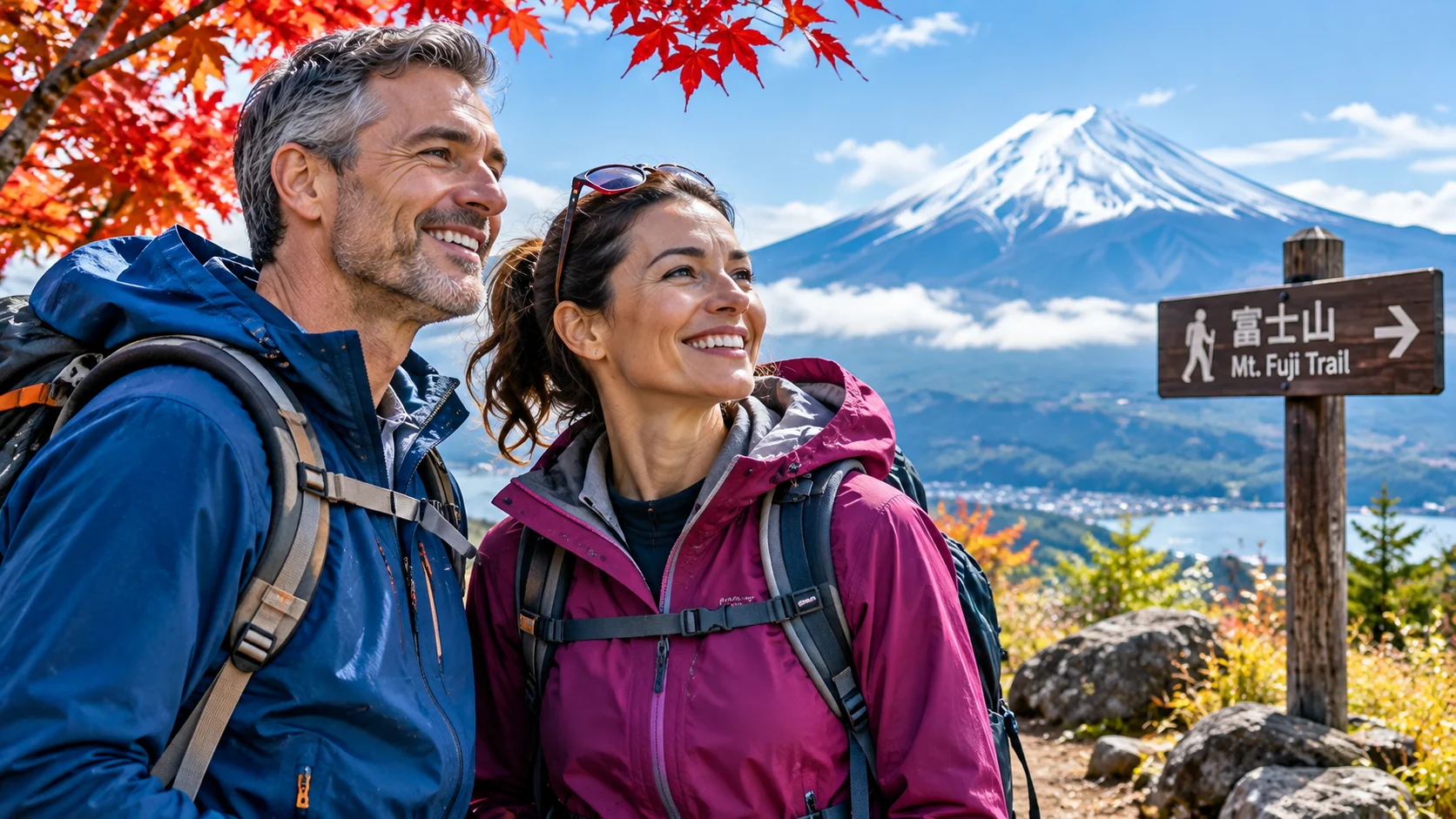
Do not assume ordinary sightseeing insurance includes every mountain or adventure activity. A Mount Fuji day trip from Tokyo to viewpoints and the surrounding area is not the same as a summit climb. For Mount Fuji climbing, confirm your chosen route, season and any applicable registration or safety requirements separately; some mountaineering, altitude, off-trail or rescue benefits may be excluded or require an add-on.
For skiing, snowboarding, diving, cycling and other activities, confirm the exact activity, terrain, guide arrangements, equipment, licensing and policy conditions. Search-and-rescue, helicopter retrieval and medically necessary evacuation are not interchangeable benefits. If an insurer requires assistance-provider authorization, follow the emergency procedure where practical.
TFP outdoor rule: Get written confirmation that your actual activity and rescue needs are eligible before buying a policy—or paying for the excursion. An “adventure” product label does not prove coverage.
Activity-focused comparison: Read adventure insurance coverage guidance
Cruises and Separate Connections
What travel insurance matters for a Japan cruise?
A Japan cruise adds risks beyond a city-only itinerary: missed embarkation, port changes, shipboard medical treatment, diversion and a trip interrupted after boarding. Check which of those events is actually included, medical benefit limits aboard ship, and who coordinates a medically necessary evacuation. Cruise fares, prepaid excursions and nonrefundable hotel nights may have different reimbursement rules.
Arriving in Tokyo or Yokohama shortly before sailing leaves little margin if a long-haul flight is delayed. Similarly, a Shinkansen leg or separate domestic flight on embarkation day can create an uncovered gap. Build reasonable connection buffers and review the cruise line’s own cancellation and port-change conditions first.
For cruise-specific questions: Review cruise travel insurance options and compare comprehensive trip plans. Check whether the cruise product link explains coverage or leads directly to a quote before purchasing.
If your journey includes Japan’s rail network and land stays, the Tokyo to Hakone and Tokyo to Kyoto guides help you plan transportation with more realistic timing.
A Different Kind of Protection
Reduce the chance of a claim before you leave home.
Make flexible bookings where they matter. Compare the cancellation window and price difference for refundable hotel rates. The Pay Now vs. Pay at Hotel guide explains how prepayment changes your exposure.
Check the forecast and keep transport buffers. Monitor JNTO’s official safety information for typhoons, earthquakes and other emergencies. Do not rely solely on an insurance payout when several prepaid legs connect on the same day.
Keep a working phone and offline records. Save policy certificates, carrier notifications, receipts, assistance numbers, and emergency contacts. Our Best eSIM for Japan guide compares ways to stay connected. For sightseeing choices and booking flexibility, see Best Day Trips From Tokyo.
The Fine Print That Matters
What is not obvious from an insurance quote?
Covered event versus inconvenience
A forecast, missed outing or personal change of plans is not automatically a covered trip cancellation. Read qualifying causes and documentation requirements.
Typhoons and earthquakes
Known-event dates, event definitions, mandatory-evacuation triggers and minimum delay hours vary. Read specific natural-disaster wording.
Medical expenses in Japan
Check emergency-treatment limits, hospital billing arrangements, deductible, medical assistance and the process for obtaining approval.
Medical evacuation
Necessary transport to suitable care may be subject to assistance-provider approval. Return to your home country is not guaranteed.
Mount Fuji and outdoor rescue
Search-and-rescue or helicopter retrieval may be excluded even when eligible medical evacuation is included.
Pre-existing medical conditions
Lookback periods, stability conditions and time-sensitive waiver eligibility vary significantly by policy.
Cancel For Any Reason
Optional when available, often purchased within a specific period and commonly subject to partial reimbursement and cancellation deadlines.
Rail service and carrier refunds
Check JR ticket changes/refunds first. A rail refund is separate from whether the policy covers another nonrefundable reservation.
Cruise embarkation and shipboard treatment
Missed-port, missed-embarkation and medical care onboard are different provisions. Check specifically what applies.
Coverage territory and dates
Declare your full itinerary, including Japan, other countries and cruise dates. Confirm protection for early arrivals, overnight connections and extensions.
Claim records and assistance
Save receipts, written carrier disruption notices and policy communications; our travel insurance claim-proof guide covers practical documentation.
My Take
I would insure the major financial risks, then build flexibility into the itinerary.
For a few nights in Tokyo with refundable hotels and limited prepaid costs, I would prioritize confirming overseas medical coverage and emergency assistance before paying for a large trip-cancellation package.
For a longer Japan trip with premium long-haul flights, multiple city stays, prepaid tours or a cruise, I would compare comprehensive protection. But I would still leave time between independently booked connections: an insurer may not pay simply because a delayed Shinkansen creates a costly inconvenience. For a Mount Fuji climb or ski trip, the actual rescue and activity wording would be a deciding factor.
TFP Recommendation
Buy the protection that addresses your actual Japan itinerary.
Flexible city stay: Check existing emergency medical, hospital billing and evacuation benefits; a medical-only plan may address the main remaining exposure.
Expensive prepaid trip: Compare comprehensive trip protection for eligible cancellation, interruption and delays, with the specific weather and missed-connection conditions in view.
Cruises and outdoor activities: Check special medical, embarkation, search-and-rescue or activity wording rather than trusting a generic product description.
Your Next Step
For a useful side-by-side quote, enter the same traveler ages, country and state of residence, departure and return dates, first trip-payment date and genuinely nonrefundable costs. Keep rail, cruise and activity details handy. Then compare medical limits, evacuation and assistance, covered cancellation and delay reasons, pre-existing-condition terms, deductibles and claims requirements.
Smarter travel, straight to your inbox
Booking choices, hidden costs, travel rules, and useful fine print — explained clearly.
Before You Go
Insurance is one decision. Finish planning your Japan trip.
Choose a convenient hotel base, understand rail-ticket flexibility and leave realistic time between attractions, transfers and a possible cruise. Planning decisions can reduce how much money is exposed before you even compare insurance premiums.

Where to Stay in Tokyo
Choose a convenient base and review refund rules before paying for hotel nights.
Compare Tokyo areasHotels Near Tokyo Station
Balance room choice against the convenience of onward Shinkansen connections.
Compare station hotelsTokyo to Kyoto
Plan your rail journey and review booking flexibility before locking in trains.
Choose your transferBest eSIM for Japan
Stay connected for weather alerts, emergency assistance and reservations.
Compare Japan eSIMsFAQ
Travel insurance for Japan: common questions
Is travel insurance mandatory for Japan?
Travel insurance is generally not a standard entry requirement for ordinary short tourist visits to Japan. Japanese authorities strongly recommend private medical insurance. Check entry conditions for your nationality and circumstances.
Do I need medical insurance when visiting Japan?
International visitors can face significant medical costs in Japan. Check whether your existing health policy covers emergency treatment, hospitalization and medical evacuation there; compare a medical plan if it does not.
Does U.S. Medicare cover treatment in Japan?
Original Medicare generally offers very limited coverage outside the United States. Check any supplemental policy or other international benefits you carry.
Does travel insurance cover typhoons in Japan?
Only when a policy covers the event and you meet the precise trigger, purchase timing, minimum delay, loss and documentation rules. Buying after the storm becomes foreseeable may limit coverage.
Does travel insurance cover earthquakes in Japan?
Some policies cover specified natural-disaster disruptions; others restrict or exclude them. Examine evacuation orders, carrier shutdowns, the timing of purchase and the exact covered reasons.
Are Shinkansen delays and cancellations insured?
Not automatically. Check JR refund or rebooking remedies separately. Insurance for missed connections or extra hotel expenses applies only under the policy’s covered causes and thresholds.
Does Japan travel insurance cover Mount Fuji climbing?
Not necessarily. Summit climbing and other mountaineering may have exclusions or special activity requirements. Verify altitude, route, season, search-and-rescue and evacuation language before booking.
What insurance is best for a Japan cruise?
Compare eligible cruise-specific benefits such as shipboard medical treatment, evacuation, missed embarkation, interruption and port changes, alongside the general trip and medical benefits.
Should I buy medical-only or comprehensive insurance for Japan?
Medical-only protection is worth comparing if emergency treatment is the main gap. Comprehensive coverage may be more relevant if you have substantial nonrefundable flights, hotels, cruises or tours.
When should I buy Japan travel insurance?
Compare options soon after your first trip payment because pre-existing-condition waivers and optional Cancel For Any Reason benefits can have strict purchase windows. Known events may be excluded.
Does a credit card replace travel insurance for Japan?
Not necessarily. Card benefits may address some trip cancellation, delay or baggage risks but often do not provide full emergency medical treatment or evacuation protection.
What should I save before traveling to Japan?
Keep your policy certificate, emergency-assistance number, nonrefundable booking receipts, train or flight confirmations, and emergency contact information available offline.
Free Travel Guide
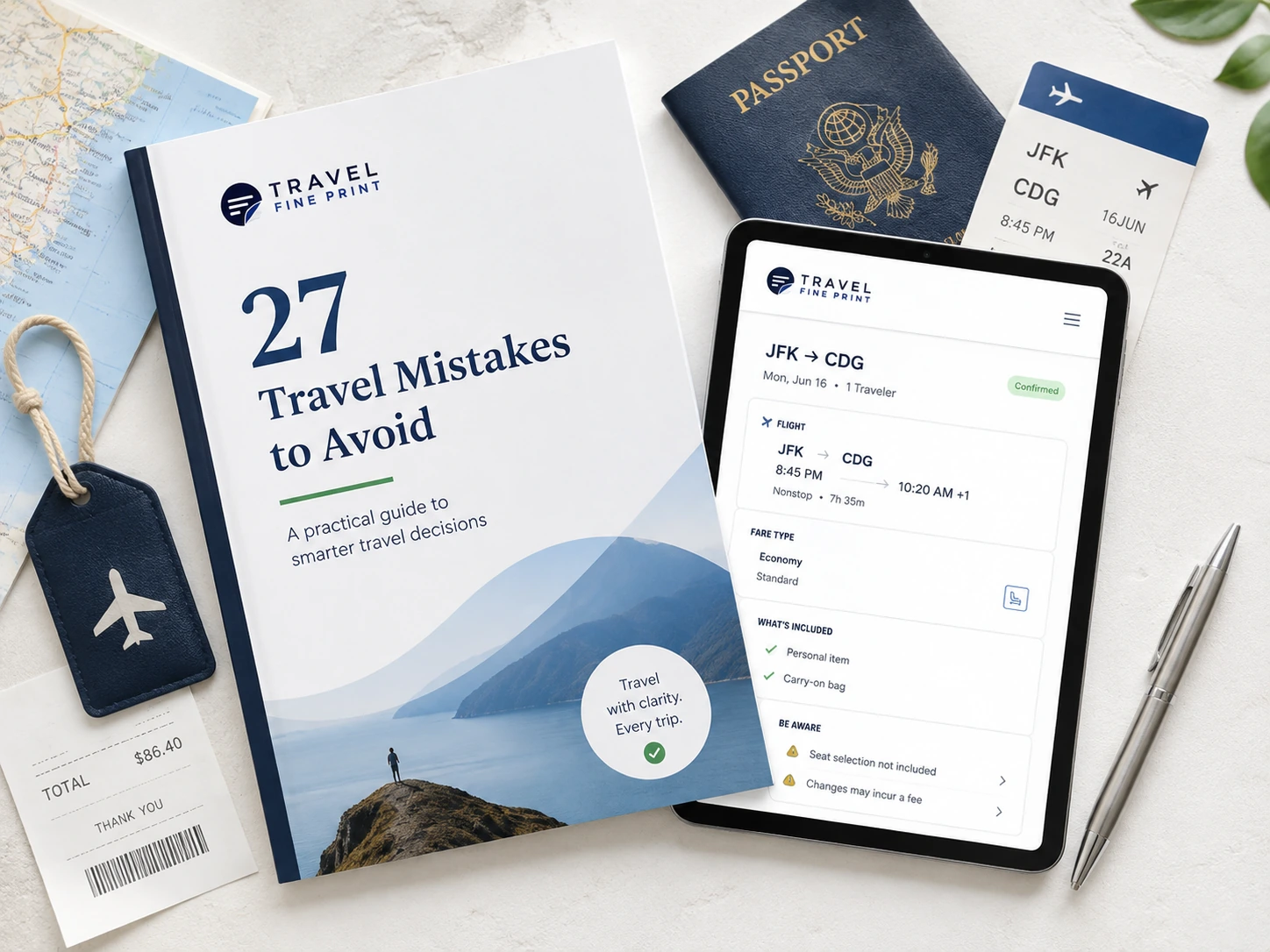
Avoid the travel mistakes that can cost you money, flexibility, or time.
Get 27 Travel Mistakes That Cost Travelers Thousands — practical guidance for decisions worth understanding before they become a problem.
- Spot booking details that are easy to overlook
- Understand where hidden costs can appear
- Recognize the tradeoff behind a cheaper option
- Make travel decisions with fewer surprises
You’ll also receive occasional practical travel guidance. Unsubscribe anytime.
Official reference points: Japan Ministry of Health — medical insurance recommendation; JNTO — insurance in Japan; JNTO — safe travel alerts; U.S. State Department — Japan; Smart EX — rail refund information; Medicare outside the U.S.. Always check current government notices and the issued insurance certificate.