
Travel Decision Guide
Where to Stay in Tokyo: Best Areas & Hotels for First-Time Visitors
Where to stay in Tokyo for the first time comes down to your daily routes, the atmosphere you want after sightseeing and the hotel room you actually book. Compare five neighborhoods—Shinjuku, Tokyo Station / Marunouchi, Ginza / Yurakucho, Shibuya and Ueno—plus ten hotels, realistic station access and room-selection tradeoffs.
The decision: Start with Shinjuku for lively sightseeing days and dining; choose Tokyo Station / Marunouchi when rail convenience is especially valuable. Ginza / Yurakucho offers a polished central alternative, Shibuya favors modern Tokyo, and Ueno works for museums and family-friendly room choices. Choose the neighborhood first, then compare exact hotel entrances and room categories.
About This Guidance
Travel Fine Print evaluates Tokyo neighborhoods using hotel location and official access information, rail connections, room-category differences and booking conditions to help travelers choose the area and property that fit their actual itinerary. Our recommendations prioritize practical trade-offs—including station entrances, travel time, room size and flexibility—rather than simply a hotel’s advertised rate or proximity on a map. Explore our Hotels & Where to Stay hub for more hotel-location and booking decision guides.
Affiliate disclosure. Travel Fine Print may earn a commission if you book through links on this page, at no extra cost to you.
Quick Decision
Where is the best area to stay in Tokyo for the first time?
For most first-time visitors, start by comparing Shinjuku and Ginza / Yurakucho. Shinjuku suits a lively trip filled with restaurants, shopping and convenient trains. Ginza offers a more polished central hotel base with strong subway access. Choose Tokyo Station if arriving or departing by Shinkansen is a major part of your schedule.
If you prefer contemporary Tokyo, choose Shibuya. For museums, access to eastern Tokyo or an apartment-style room for a family, explore Ueno.
Our featured Shinjuku option is Hyatt Regency Tokyo; for a distinctive station-centered stay, compare The Tokyo Station Hotel.
The Decision in 30 Seconds
Match the Tokyo neighborhood to your actual trip.
Tokyo’s major neighborhoods offer very different evenings, rail routes and hotel experiences. The right base balances daily travel time with the neighborhood you will enjoy returning to each night; a convenient station on a map is not always a convenient hotel entrance.
| Where you might stay | What I would prioritize |
|---|---|
| Shinjuku | Best all-around for lively first visits. Check West Shinjuku versus the South and East exits before choosing a hotel. |
| Tokyo Station / Marunouchi | Best for important rail connections and upscale hotels. Station access has value, but is not necessary for sightseeing-only itineraries. |
| Ginza / Yurakucho | Best for couples, shopping and dining. Compare the precise subway/JR station nearest your hotel. |
| Shibuya | Best for contemporary Tokyo and nightlife. Look carefully at the station exit and the room’s noise exposure. |
| Ueno | Best for museums, eastern Tokyo and families needing room flexibility. Distinguish Ueno from Asakusa and verify airport-rail access. |
Select an area to jump to its featured hotel and alternative.
Your Next Decision
What else could change where you should stay in Tokyo?
Before paying a hotel premium for a station or attraction, decide whether you will leave the city for a day or continue elsewhere in Japan.
How many days will you spend exploring beyond Tokyo?
Mount Fuji, Hakone and other destinations can change whether you want an efficient rail connection or a hotel you enjoy returning to after dinner.
Compare the Best Day Trips From Tokyo →Considering one signature excursion? Compare a Mount Fuji day trip from Tokyo before booking an additional hotel night.
Are you continuing from Tokyo to Kyoto?
If a longer train journey is part of the trip, compare the stations and your luggage plan before paying extra to stay beside Tokyo Station.
Tokyo to Kyoto: Train and Travel Decisions →Tokyo Neighborhood Decision Map
See how the five hotel areas relate.
Use the five colored pins and the neighborhood legend to compare the general location of each base. Markers represent neighborhood centers, not exact hotel entrances; each popup includes the featured hotel and a link to its listing.
Confirm the exact property entrance and station exit before choosing a route with luggage.
Availability note: Centrally located Tokyo hotels and specific larger or view rooms may sell out for popular dates. Compare the named room type, floor area, cancellation deadline, breakfast and total taxes-inclusive price before booking.
01 · Best for a Lively First Tokyo Visit
Shinjuku: Choose your side of the station before choosing the hotel.
Shinjuku has major transport connections, restaurants and entertainment, but its western skyscraper district and the streets east of the station feel very different. Nishi-Shinjuku works well for travelers who want a calmer hotel setting. The southern station area favors short walks to JR trains and airport transport.
If your Tokyo days include excursions, compare possible day trips before deciding on your base.
Featured hotel · Shinjuku
Hyatt Regency Tokyo
A full-service hotel in Nishi-Shinjuku beside Shinjuku Central Park and the Tokyo Metropolitan Government Building. It makes sense for travelers who want a more settled hotel environment while keeping the station district within reach. Hyatt lists Tochomae Station about one minute away, Nishi-Shinjuku about four minutes away and the JR Shinjuku West Exit about nine minutes on foot.

Room-selection fine print: Compare room category and square meters, bed configuration, view toward the park or surrounding towers, and any breakfast or lounge inclusions; do not assume all renovated rooms look alike. Check the current complimentary station-shuttle schedule if you intend to use it.
A Worthwhile Alternative
JR Kyushu Hotel Blossom Shinjuku
Choose this when a short walk to the South Exit of JR Shinjuku Station matters more than a large full-service hotel setting. The hotel lists roughly three minutes on foot from the South Exit.
02 · Best for Rail Connections and Heritage Hotels
Tokyo Station / Marunouchi: Pay for convenience only when you will use it.
Tokyo Station suits visitors combining Tokyo with other Japanese cities, particularly when their Shinkansen itinerary uses the station. Marunouchi is polished and comfortable, while the Yaesu side has a different mix of business hotels and restaurants. The station is enormous: room-to-platform convenience depends on the actual hotel entrance and gate.
Choosing this area chiefly for trains? Compare Hotels Near Tokyo Station for a more focused station-access decision; Tokyo to Kyoto explains the long-distance journey.
Featured hotel · Tokyo Station / Marunouchi
The Tokyo Station Hotel
A heritage choice inside Tokyo Station’s historic red-brick Marunouchi building. This is a destination hotel as well as a convenient station address: a worthwhile splurge for travelers who enjoy historic architecture and plan to spend time in the hotel. The property says it connects directly to Marunouchi South Exit.
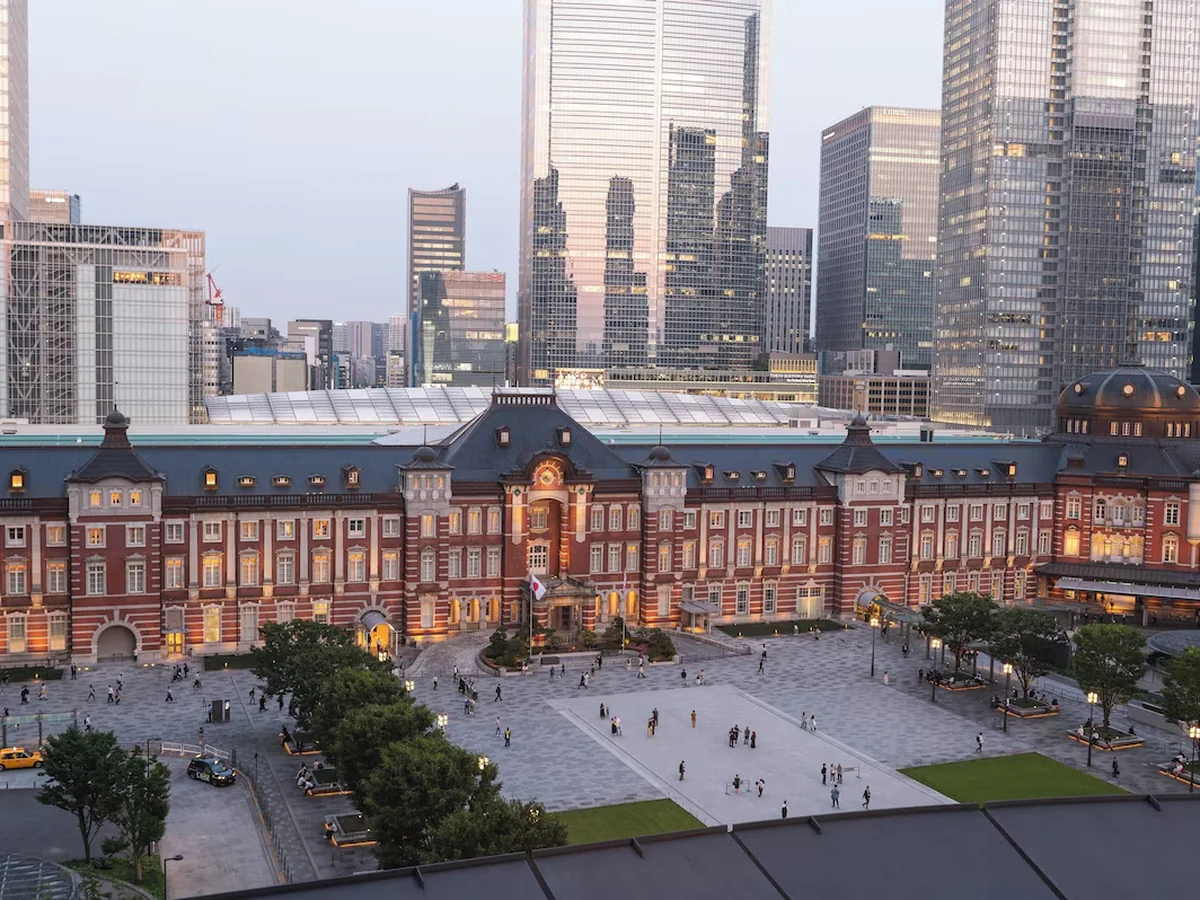
Room-selection fine print: Compare room outlook, size and category. An attractive station facade does not mean every room looks over the historic exterior or the plaza. Ask about its advance-reservation Meet & Greet service if arriving by Shinkansen or Narita Express.
A Worthwhile Alternative
Hotel Metropolitan Tokyo Marunouchi
Choose this for a modern, practical station connection rather than historic-hotel character. It is directly connected at the Nihombashi Exit and near the Shinkansen Nihombashi Gate; compare room views and sizes.
03 · Best for Couples, Dining and a Polished Base
Ginza / Yurakucho: A central Tokyo stay without sleeping inside a major rail hub.
Ginza offers restaurants, elegant shopping and multiple subway lines. Adjacent Yurakucho adds convenient JR access. This can be a very attractive compromise for couples and first-time visitors who want a sophisticated base with a slightly different atmosphere from Shinjuku or Shibuya.
Featured hotel · Ginza / Yurakucho
The Gate Hotel Tokyo by HULIC
An upscale design-minded option on the Yurakucho side of Ginza. Its official access guidance places it about one minute from Ginza Station Exit C1 and about three minutes from JR Yurakucho Station, an appealing combination for dining and transport.

Room-selection fine print: Check the exact room square meters, window outlook and breakfast conditions. A stylish terrace or lounge belongs to the property, not necessarily to your room.
Check rooms and availability at The Gate Hotel Tokyo by HULIC →
A Worthwhile Alternative
Millennium Mitsui Garden Hotel Tokyo/Ginza
Choose this when Higashi-ginza transport access matters more than staying beside Yurakucho. The hotel lists a one-minute walk from Higashi-ginza Exit A1 and about ten minutes from JR Yurakucho.
Compare Millennium Mitsui Garden Hotel Tokyo/Ginza on Hotels.com →
04 · Best for Contemporary Tokyo and Evening Energy
Shibuya: Prioritize the side of the station that matches your plans.
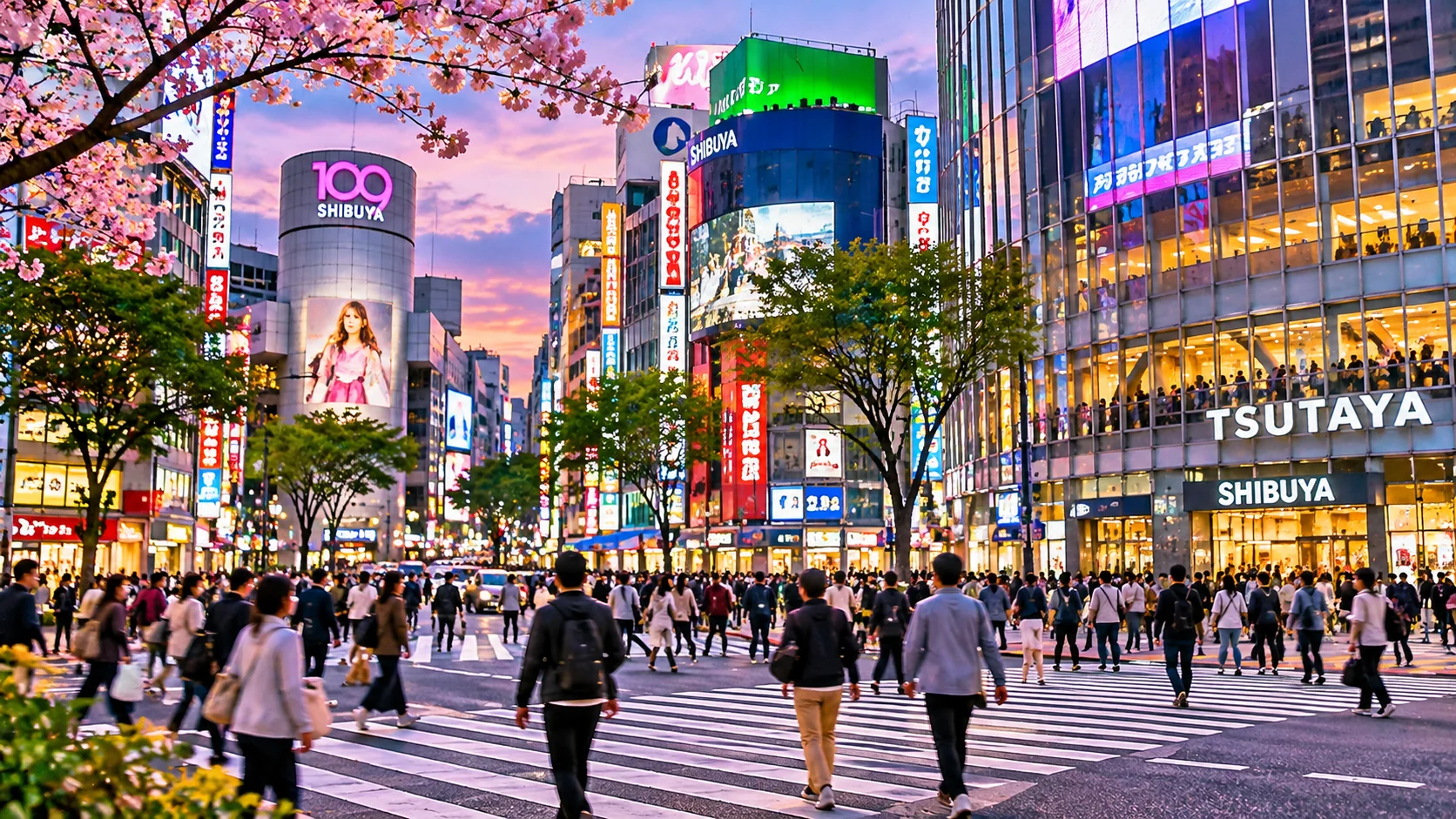
Shibuya delivers modern Tokyo, shopping, lively crossings and a strong restaurant scene. The trade-off is crowds and a station complex that can be confusing on first arrival. Hotels on the Stream side and the Mark City / crossing side offer different walking routes and evening experiences.
Featured hotel · Shibuya
Shibuya Stream Hotel
Located in the Shibuya Stream complex, with connections to the JR New South Exit and subway Exit C2. A good fit for travelers who like contemporary design and want restaurants and shops close to the hotel.
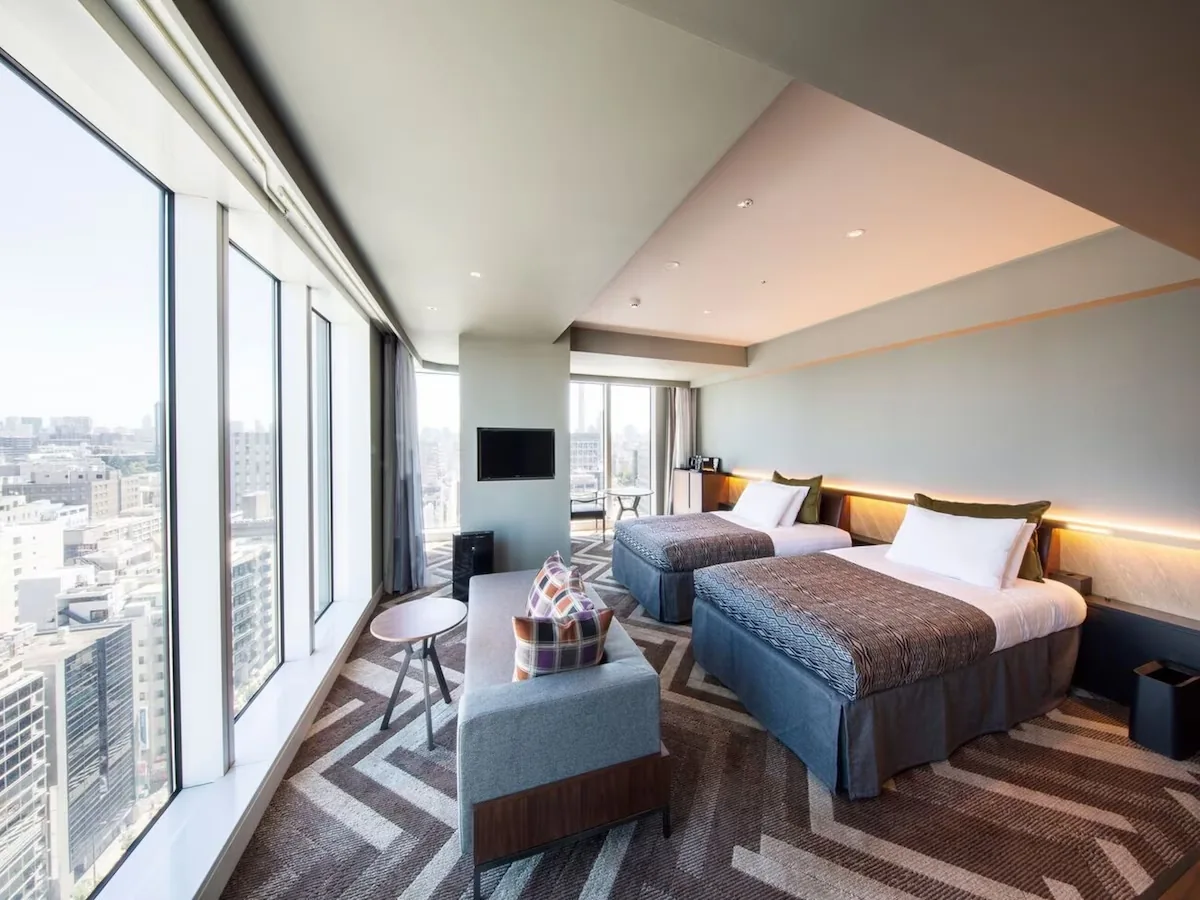
Room-selection fine print: Compare the exact room category, floor and outlook rather than assuming every room has a skyline view. Shibuya Stream has several vertical levels and entrances, so keep the hotel’s access directions handy.
A Worthwhile Alternative
Shibuya Excel Hotel Tokyu
Choose this for the Shibuya Mark City side and convenient access to the area around the famous crossing. The hotel’s instructions place it approximately three minutes from the JR central ticket gate.
05 · Best for Museums, Traditional Tokyo and Flexible Space
Ueno: Consider station access, museums and the kind of room you actually need.
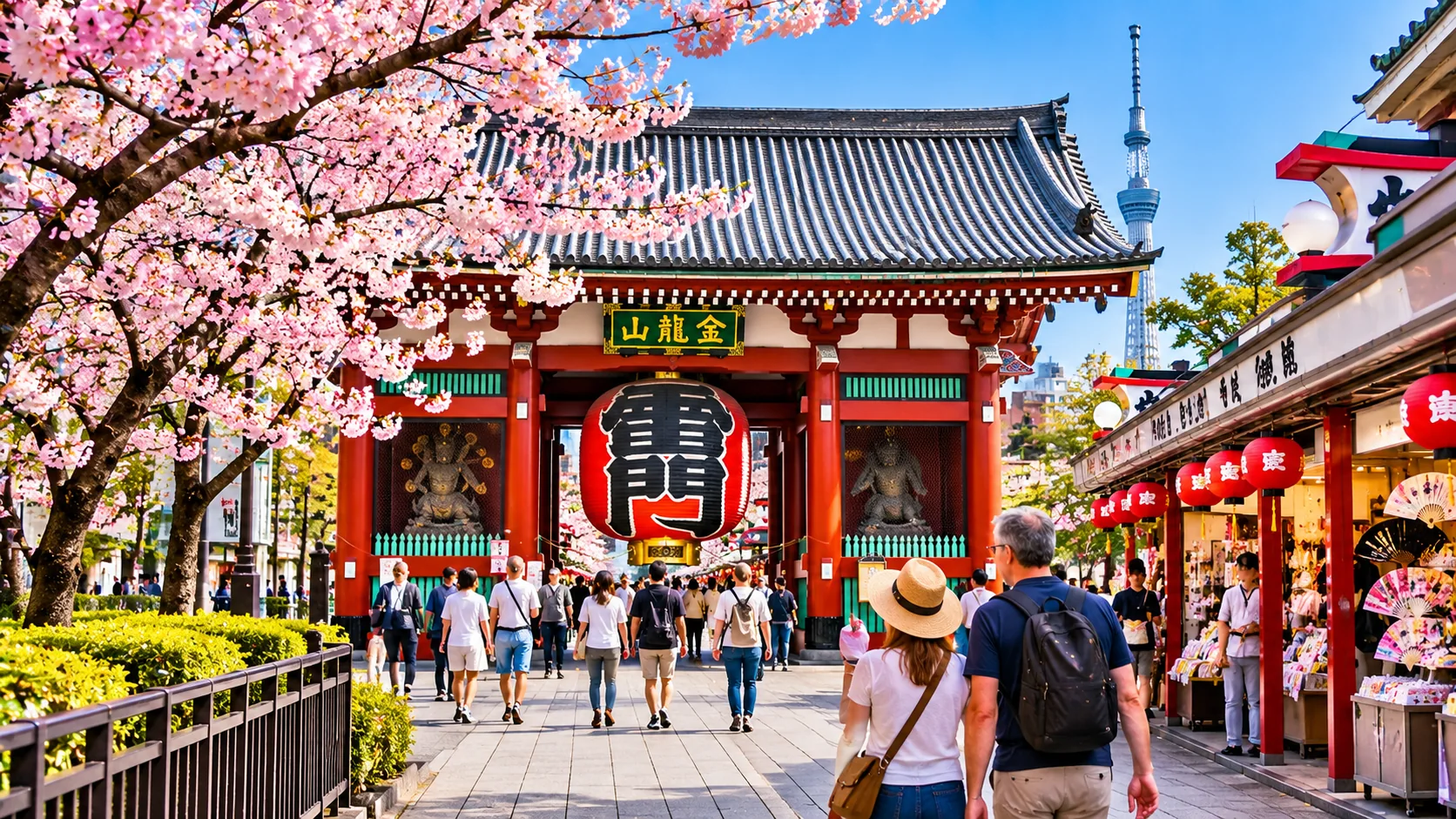
Ueno combines museums, a major park, shopping streets and useful rail links. It can be a good-value alternative to the most fashionable western neighborhoods, but “value” depends on the property and dates. Asakusa has a different historic atmosphere; it is worth visiting, but should not be mistaken for the Ueno station area.
Ueno and Asakusa are not interchangeable. Asakusa is a good area to explore for historic atmosphere, but these hotel selections are in Ueno.
Featured hotel · Ueno
NOHGA Hotel Ueno Tokyo
A contemporary boutique-style hotel around Higashi-Ueno. It is suited to travelers who prefer a more distinctive hotel atmosphere without choosing an expensive central-western address. The hotel lists approximately five minutes from JR Ueno and three minutes from the Ueno subway exits.
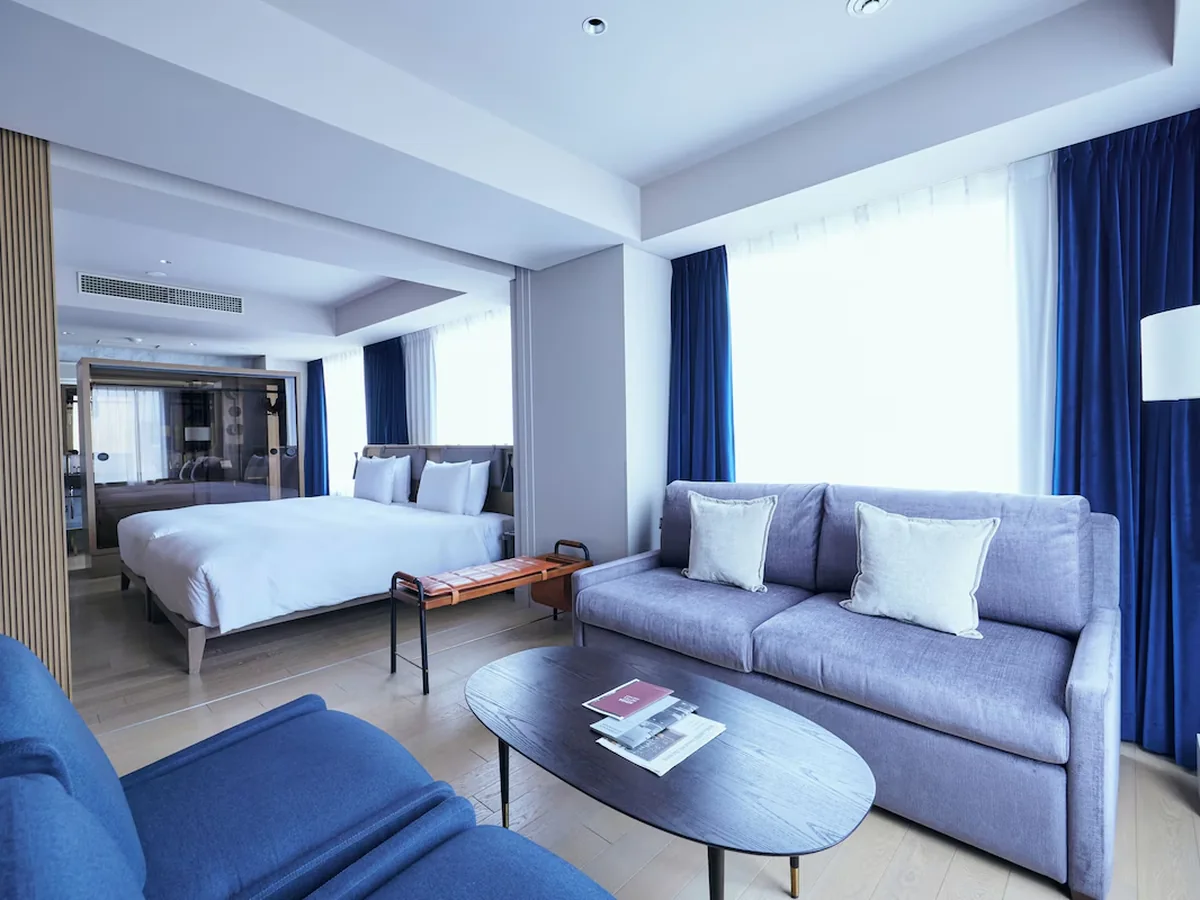
Room-selection fine print: Check bed dimensions, room area and the route from the exact station entrance. Entry-level boutique rooms can be compact even if the lobby and restaurant feel spacious.
A Worthwhile Alternative
MIMARU Tokyo Ueno East
Choose the apartment-hotel format for families and groups wanting kitchen facilities and more flexible sleeping arrangements. One official four-single-bed layout is listed at 38 m²; compare the precise apartment type and occupancy conditions.
Still Comparing Tokyo Hotels?
Search more Tokyo hotels for your travel dates.
Our ten hotel picks are a starting point, not the entire market. If they do not fit your budget, room needs or dates, compare additional Tokyo accommodation options below. Then check the final price, room category and cancellation deadline before booking.
A Location Decision Worth Making
Is it worth paying more to stay near Tokyo Station?
Yes, if you will use the station enough to benefit. Tokyo Station is particularly convenient for some long-distance rail trips, a one-night stop between journeys, or a stay where minimizing luggage transfers is important. But its hotels are not automatically more convenient for every Tokyo attraction—and some train routes use other stations.
- Favor Tokyo Station for an important Shinkansen arrival/departure or a short overnight between journeys.
- Compare other neighborhoods when most of your time is sightseeing, dining or shopping in Tokyo.
- Check the actual exit. A hotel near Marunouchi South Exit and one near Nihombashi Gate can involve very different walks inside Tokyo Station.
- Flying from Narita? The Narita Express serves Tokyo Station, but it also serves Shinjuku, so Tokyo Station is not mandatory.
For a station-specific hotel shortlist, see Hotels Near Tokyo Station. For the longer rail leg, compare Tokyo to Kyoto train choices.
For Travelers Joining or Leaving a Cruise
Should you stay in Tokyo or Yokohama before or after a cruise?
With several sightseeing nights, I would generally favor Tokyo. Staying in Tokyo lets first-time visitors use those days to explore the city before traveling to their ship. With only one night, Yokohama can be more convenient, especially when boarding early or when the ship docks close to your hotel.
Arriving at Narita may favor a Tokyo hotel for the first part of the journey; arriving at Haneda can make Yokohama more attractive. For a post-cruise night, compare your flight airport, check-out time and preferred sightseeing—not just the distance to the port.
Important: Yokohama has multiple cruise terminals, including Osanbashi, Shinko and Daikoku, and Tokyo has its own cruise terminal. Confirm your actual terminal in your cruise documents before choosing a hotel or arranging transport. This is a hotel-location comparison, not a cruise-port transfer guide.
Make the Booking Fit the Trip
Before booking, check the Tokyo details that actually change your stay.
Choose the station exit, not just the station name
Shinjuku, Tokyo and Shibuya stations are complex. Confirm the actual gate or exit, elevator route and luggage walk to the hotel.
Compare square meters and bed configuration
A standard Tokyo room may feel small with two large suitcases. Compare floor area and baggage space as carefully as the nightly price. Families may benefit from an apartment layout.
Decide how many rail days you really have
One Tokyo-to-Kyoto departure does not automatically justify a more expensive Tokyo Station hotel. Compare your everyday routes, not just the departure morning.
Check your airport before paying for station proximity
Narita and Haneda serve different parts of the region, and airport-rail routes vary by neighborhood. Tokyo Station offers direct Narita Express service, but Shinjuku does too; Ueno has separate JR and Keisei station facilities. Compare the complete airport-to-hotel route and luggage handling before paying extra for a familiar station name.
Keep booking terms flexible when necessary
Match cancellation dates and payment terms to your itinerary. Our Pay Now vs. Pay at Hotel guide explains common trade-offs.
The Fine Print That Matters
What should you check before booking a Tokyo hotel?
Tokyo accommodation tax changes in 2027
For eligible stays beginning April 1, 2027, Tokyo’s revised accommodation tax is 3% on qualifying accommodation charges of ¥13,000 or more per person per night (before tax). The threshold is not per room; a room shared by two people needs to be evaluated on the per-person amount. Confirm whether your displayed total includes the tax and review the Tokyo Metropolitan Government’s accommodation-tax guidance.
Room size, bedding and views
Check square meters and the exact sleeping arrangement. “City view,” a high floor or a hotel skyline photo does not mean your room includes a particular outlook.
Station routes and accessibility
Check elevators, escalators and the actual hotel entrance, particularly if you have mobility considerations or large luggage. Underground station routes can involve longer walks than a map suggests.
Breakfast, services and check-in
Confirm breakfast pricing, luggage storage, check-in time, laundry and lounge benefits for your booked rate. Shuttle schedules and amenities can change.
Price, payment and cancellation
Compare the final total, deposit and cancellation deadline rather than judging by the headline nightly rate. For prepaid arrangements and other trip costs, Travel Insurance for Japan explains which losses may be covered under eligible policies.
My Take
I would choose the Tokyo neighborhood before paying extra for a famous station address.
For a first Tokyo visit, I would start by comparing Shinjuku and Ginza. Shinjuku provides restaurants and evening energy, but I would look carefully at which side of the station the hotel occupies. A calmer West Shinjuku hotel and a property steps from the South Exit can be equally sensible for different travelers.
I also see why Tokyo Station hotels are appealing. If I had an important train connection and just one night, I’d put a premium on minimizing luggage handling. But if I were spending several days exploring Tokyo itself, I would not pay more for Tokyo Station automatically. I’d check where I expect to spend my evenings and how I will get there.
For travelers prioritizing museums or family space, I would compare Ueno. For contemporary shopping and nightlife, Shibuya deserves a look. The room itself still matters: a better layout or quieter outlook can outweigh a few minutes saved on the train.
TFP Recommendation
Start with Shinjuku or Ginza. Choose Tokyo Station when rail convenience is part of the trip.
The Recommendation
For most first-time visitors, shortlist Shinjuku and Ginza / Yurakucho before booking. Choose Shinjuku for active evenings and broad transport connections; Ginza for dining and a more polished central atmosphere. Use Tokyo Station / Marunouchi when the arrival/departure logistics or historic hotel experience genuinely justify the premium.
Our Shinjuku featured pick is Hyatt Regency Tokyo for a quieter West Shinjuku setting; JR Kyushu Hotel Blossom Shinjuku is the worthwhile station-near alternative. The Tokyo Station Hotel is a heritage splurge, while Hotel Metropolitan Tokyo Marunouchi is the practical station-connected comparison.
Your Next Step
Choose two neighborhoods, compare one featured hotel and its alternative in each, then check the actual room size and cancellation terms for the same dates.
Compare Hyatt Regency Tokyo rooms → · Compare The Gate Hotel Tokyo by HULIC → · Check Hotel Metropolitan Tokyo Marunouchi →
Smarter travel, straight to your inbox
Booking choices, hidden costs, travel rules and practical fine print—explained clearly.
Before You Go
Let your Tokyo hotel location simplify the rest of your Japan trip.
Save your hotel’s Japanese address, check the station exit and confirm the check-in and luggage policy. Think about whether day trips, longer trains or mobile navigation will affect your daily routes.
Booking a longer rail journey? Compare Tokyo to Kyoto routes. If Hakone is on your list, decide between a day trip and an overnight stay before locking every Tokyo hotel night.

Hotels Near Tokyo Station
Compare station-connected hotels and check which entrance suits your route.
Compare station-area hotels →Best Day Trips From Tokyo
Choose which excursions deserve a full day and which ones may work independently.
Compare Tokyo day trips →Best eSIM for Japan
Compare connectivity for maps, train platforms and booking confirmations.
Compare Japan eSIMs →Travel Insurance for Japan
Compare coverage for eligible prepaid losses and medical travel needs.
Explore Japan insurance →FAQ
Where to stay in Tokyo: common questions
What is the best area to stay in Tokyo for the first time?
Start by comparing Shinjuku for lively evenings and rail connections with Ginza / Yurakucho for a polished central base. Tokyo Station makes particular sense when important rail journeys shape the itinerary.
Is it worth staying near Tokyo Station?
It can be worth a premium for a short rail-to-hotel overnight, Shinkansen departures or convenient luggage handling. It is not essential if most days are spent exploring other parts of Tokyo.
Is Shinjuku or Shibuya better for first-time visitors?
Shinjuku offers many transport links and a broad choice of hotel settings, from quieter Nishi-Shinjuku to busy streets near the station. Shibuya favors contemporary shopping, nightlife and a different evening atmosphere.
Is Hyatt Regency Tokyo near Shinjuku Station?
The hotel is in Nishi-Shinjuku near Tochomae Station. Hyatt lists about nine minutes on foot from the JR Shinjuku West Exit and offers a complimentary station shuttle subject to schedule.
Where should families stay in Tokyo?
Ueno can work well for museums and eastern Tokyo. Compare apartment-style hotels such as MIMARU Tokyo Ueno East if extra space, a kitchen and flexible bedding matter.
Should I stay in Tokyo or Yokohama before a cruise?
Choose Tokyo if you have several days for sightseeing; consider Yokohama for a single night or when port proximity is the priority. Confirm the actual cruise terminal and airport before deciding.
Can I take the Narita Express from Shinjuku instead of Tokyo Station?
Yes, Narita Express services serve Shinjuku as well as Tokyo Station. Check schedules for your date and allow for the walk from your hotel to the relevant platform.
What should I check before booking a Tokyo hotel?
Compare room size, bed layout, the exact station exit, view, accessibility, breakfast, local accommodation taxes, cancellation terms and the total price for your dates.

Free Travel Guide
Avoid the travel mistakes that can cost you money, flexibility or time.
Get 27 Travel Mistakes That Cost Travelers Thousands—a practical guide to booking mistakes, hidden costs and rules worth knowing before they become a problem.
- Spot easily overlooked booking details
- Understand where hidden costs appear
- Know when a cheaper rate has tradeoffs
- Make travel decisions with fewer surprises
You’ll also receive occasional TFP guidance about booking choices and travel fine print. Unsubscribe anytime.