
Travel Decision Guide
Guided Tour vs Independent Travel: Which Is Better for Your Trip?
A guided tour handles much of the planning, transportation and logistics for you. Independent travel gives you far more control over where you go and how you spend your time.
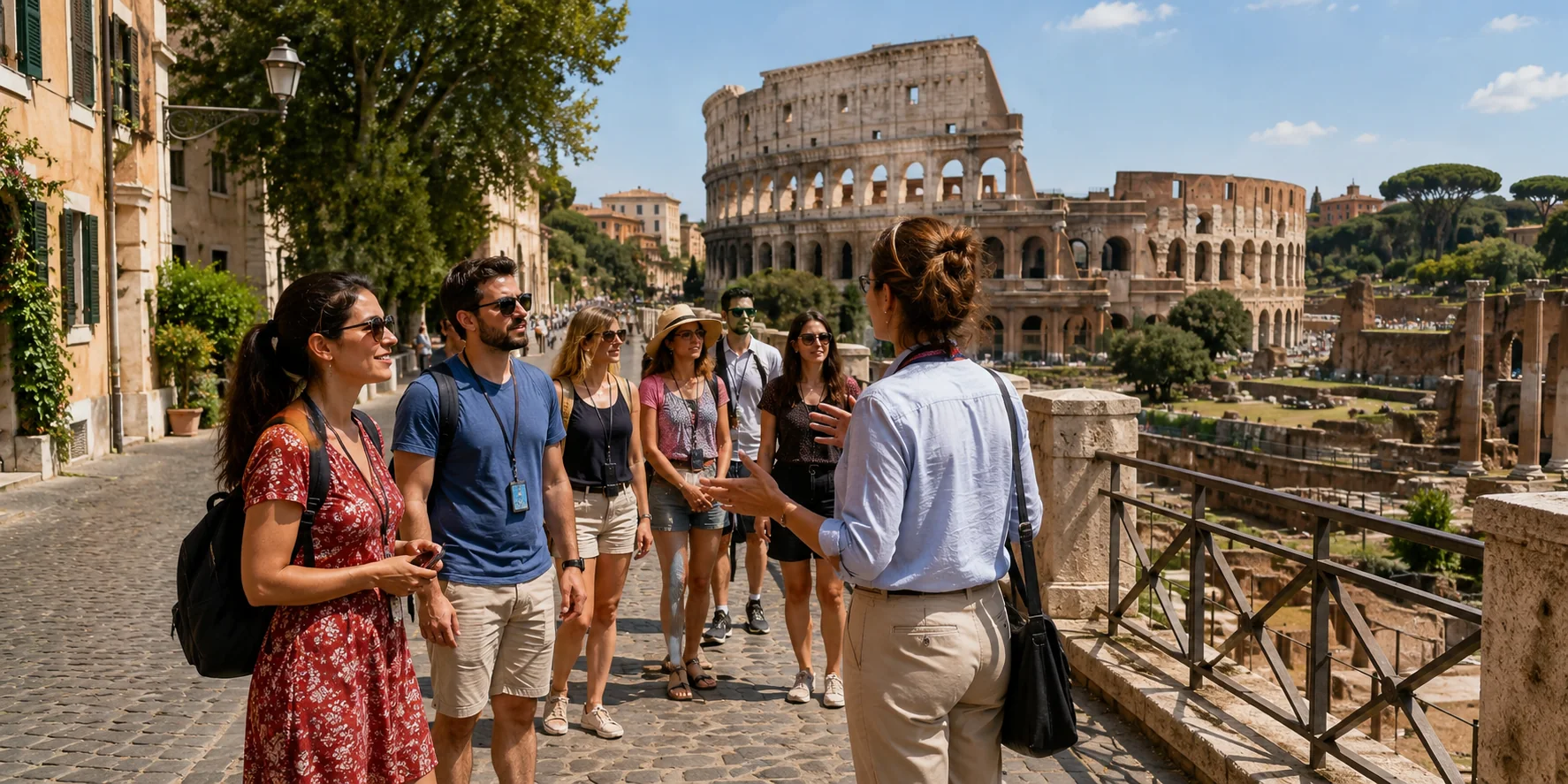
But the better choice isn’t always the obvious one. The real comparison is what each option costs, what it includes, and what you’re taking on yourself.
Quick Answer
Neither option is automatically better — but they solve very different travel problems.
A guided tour usually makes the most sense when logistics are complicated, your time is limited, or you value having transportation, accommodations and key experiences organized for you. Independent travel is usually better when flexibility, personal pace and control over where you stay and what you do matter more.
The mistake is comparing only the tour price with what you think an independent trip might cost. The better comparison includes everything you would need to arrange yourself — hotels, transportation, transfers, activities, reservations and the time required to put the trip together.
Affiliate Disclosure: Travel Fine Print may earn a commission when you book through links on this page, at no additional cost to you. This does not affect our recommendations.
The Decision in 30 Seconds
Choose based on what you want to control — and what you don’t want to manage.
The biggest difference is not simply cost. It is how much of the trip you want organized for you versus how much flexibility and responsibility you want to keep.
Guided Tour
More structure, fewer logistics to solve yourself.
- Transportation is often coordinated
- Hotels and key activities may already be included
- Less time spent researching and booking
- More predictable day-to-day logistics
- Built-in guide support and group experience
Usually better for: first-time visitors, complicated itineraries, limited vacation time, solo travelers and people who would rather spend less time planning.
Independent Travel
More flexibility, more decisions to make yourself.
- You decide where to stay and for how long
- Your schedule can change during the trip
- You control restaurants, activities and pace
- You can spend more in some places and less in others
- No need to follow a group itinerary
Usually better for: experienced travelers, slower trips, travelers with specific interests, flexible schedules and people who enjoy planning.
About This Guidance: Travel Fine Print reviews the practical differences between organized and independent travel by looking at what is actually included, what travelers must arrange themselves, where extra costs can appear, and how those differences affect the real booking decision.
What You’re Really Paying For on a Guided Tour
A guided tour can look expensive because much of the trip is bundled into one visible price. With independent travel, those same costs are usually scattered across separate hotel bookings, train tickets, transfers, admission fees, local tours and reservations.
That makes the comparison easy to misunderstand. A tour price is not just the cost of having someone show you around. Depending on the itinerary, it may also include accommodations, transportation between destinations, selected activities, some meals, local guides and the planning required to make the trip work as a whole.
The value of that structure changes dramatically by destination. A simple city break may be easy to organize independently, while a trip involving several cities, unfamiliar transportation systems or tightly timed attractions can require considerably more coordination.
If you want to see what organized itineraries actually include before comparing them with a DIY trip, you can compare current multi-day tours on TourRadar . The useful part at this stage is not simply the price — it is seeing which hotels, transportation, activities and meals are already built into the itinerary.
What Independent Travel Actually Requires
Independent travel gives you control over where you stay, how long you remain in each place and which experiences make the itinerary. But that flexibility comes with responsibility for assembling the trip yourself.
Hotels, transportation, sightseeing, restaurant reservations, transfers and schedule changes all become separate decisions. That can create opportunities to save money or customize the trip, but it also means comparing more options and managing more moving parts.
Where you book can become part of that decision too. A hotel found through an online travel agency may have different cancellation rules, payment terms or support than the same property booked directly. Our guide to booking hotels through third-party sites explains the tradeoffs to check before choosing the booking channel.
Independent travel works best when the control you gain is worth the planning and coordination you take on.
The Hidden Tradeoff
The price you see first is rarely the whole trip.
A guided tour presents much of the trip in one price. Independent travel spreads many of those same expenses across separate bookings, which can make the DIY option appear cheaper before the full itinerary is reconstructed.
The opposite can happen too. A tour price may exclude optional excursions, gratuities, airport transfers, some meals or other extras that materially change what you ultimately spend.
That is why the comparison should be based on the total trip you would actually take, not the first headline price you see. Travel costs can also appear later in the booking process, which is why it is worth knowing the hidden travel fees to watch for before deciding which option is really cheaper.
Compare like with like: same destinations, similar hotels, comparable transportation, similar sightseeing and the extras you realistically expect to buy.
Trip Math
What happens when you compare the whole trip instead of the headline price?
Consider an illustrative nine-day multi-city trip for one traveler. These numbers are not meant to price a specific itinerary; they show why the comparison changes once the major components of an independent trip are added together.
Organized Guided Tour
One bundled price with many logistics already arranged.
Independent Trip
Lower-looking individual prices that accumulate across the itinerary.
Actual pricing varies significantly by destination, travel dates, hotel level, included activities and tour operator. Use this as a comparison framework, not as a quote for a specific trip.
When Each Option Wins Most Clearly
Neither travel style is universally better. The decision gets easier when you identify which part of the trip you most want to control — or avoid managing yourself.
A Guided Tour Usually Wins When…
You want transportation, hotels and sightseeing coordinated for you; you are visiting a destination where logistics feel difficult; or you value having a guide and a structured itinerary more than complete flexibility.
Independent Travel Usually Wins When…
You want control over your schedule, enjoy researching and booking the trip yourself, prefer choosing every hotel and activity, or can build the same experience for meaningfully less money.
There is also a middle ground. If you like the convenience of organized sightseeing but do not want to travel with a standard tour group, a private tour can preserve more control and personal attention. Our Private Tour vs Group Tour comparison looks at when that upgrade is actually worth paying for.
Compare Your Options
Price the trip both ways before deciding.
Compare an organized itinerary with the hotels, transportation and experiences you would choose independently.
See Guided Tour Options
Compare current itineraries, operators, destinations and included experiences.
Compare Guided ToursBuild the Trip Yourself
Price hotels, flights and other components separately to see what the independent version costs.
Build Your Own TripWhat Guided Tours Commonly Include — and What They Often Don’t
“Guided tour” does not mean everything is included. Two itineraries with similar prices and destinations can cover very different things, so the inclusions matter almost as much as the headline price.
Look closely at the accommodations.
Check how many hotel nights are included, the general hotel standard and whether the accommodations are centrally located or farther from the places you will be visiting. A lower-priced itinerary can become less attractive if location adds transportation time or expense.
Find out which transportation is actually covered.
Transportation between tour stops may be included while airport transfers, local transportation during free time or transportation before and after the official itinerary are not. Do not assume “transportation included” means every ride on the trip is covered.
Separate included sightseeing from optional experiences.
An itinerary may mention many attractions without including admission or a guided visit to every one of them. Optional excursions can add substantially to the final trip cost if several of the experiences you care about require an additional payment.
Meals can vary from nearly none to a meaningful part of the package.
Breakfast may be included daily while lunches and dinners remain mostly on your own. Other tours include selected group meals. Compare what is actually provided rather than treating “some meals included” as an all-inclusive food budget.
Check the costs that sit outside the advertised tour price.
Depending on the operator and destination, you may still need to budget for international airfare, gratuities, optional excursions, travel insurance, some transfers, meals, local transportation and personal expenses.
This is also where independent travel can regain some of its price advantage. A guided itinerary may offer strong value for its included components while still costing considerably more after optional experiences and other out-of-pocket costs are added.
TFP takeaway: compare what you will actually pay for the trip you want to take — not simply the tour operator’s starting price against the first hotel and transportation prices you find independently.

Frequently Asked Questions
Guided Tour vs Independent Travel
Is a guided tour usually more expensive than independent travel?
Often, but not always by as much as the headline price suggests. A fair comparison should include hotels, transportation, transfers, sightseeing, guides, selected meals and other trip components that may already be included in the tour price.
Are guided tours worth it for first-time international travelers?
They can be, especially when the itinerary involves several destinations, unfamiliar transportation systems or limited vacation time. The value comes from reducing planning and logistical responsibility, not simply from having a guide.
Is independent travel better for experienced travelers?
Often, because experienced travelers may be more comfortable arranging transportation, accommodations and activities themselves. But experience alone does not determine the better choice; some complex trips can still be easier or better value when organized.
Can you combine guided tours with independent travel?
Yes. A hybrid trip can be an excellent option. You might travel independently in easy-to-navigate cities and use an organized multi-day tour for a region where transportation, timing or logistics are more complicated.
What should I compare before booking a guided tour?
Compare the hotel standard and location, transportation, included sightseeing, optional excursions, meals, transfers, group size, cancellation terms and the costs that remain outside the advertised price.
Bottom Line
Choose the trip structure that solves the problems you actually have.
A guided tour is not automatically better because it is easier, and independent travel is not automatically better because it is more flexible or appears cheaper.
The better choice depends on the trip itself: how difficult the logistics are, how much planning you want to do, how much flexibility you value and whether the price difference remains meaningful after you compare similar accommodations, transportation and experiences.
If the organized option removes problems you would otherwise have to solve and the total cost is reasonably close, the convenience may be worth paying for. If you can build the trip for substantially less and prefer controlling the details yourself, independent travel will usually be the stronger choice.
Your Next Step
Compare the trip both ways before you book.
Look at the actual itinerary, inclusions and total cost on both sides, then choose the travel style that gives you the better fit.
Compare Guided Tours
Browse current itineraries, destinations and tour operators to see what an organized trip would include.
Compare Guided ToursPrice the Independent Trip
Compare hotels, flights and other trip components separately to see what building the trip yourself would cost.
Build Your Own Trip