
Travel Decision Guide
Roma Pass: Is It Worth It?
The Roma Pass can work for a specific kind of Rome trip, but it is not automatically the best way to see the city. Its value depends on whether the included attraction entries and public transport both match the itinerary you already want.
The decision: Buy the Roma Pass when you will use Rome public transport heavily and can apply the included free entries to worthwhile eligible sites. Compare broader sightseeing passes or individual attraction tickets when your priorities are the Vatican, premium Colosseum access or only a few major sights.
About This Guidance
Travel Fine Print evaluates the Roma Pass by comparing current pass pricing, included admissions, public-transport value, reservation rules, Vatican exclusions and alternative ways to buy the major Rome attractions most first-time visitors actually want.
On This Page
- Quick Answer
- The Decision in 30 Seconds
- How the Roma Pass Works
- What It Actually Includes
- When It Can Be Worth It
- When to Skip It
- The Vatican Problem
- The Colosseum Decision
- How Much Is the Transit Benefit Worth?
- Better Alternatives for Some Travelers
- The Fine Print That Matters
- My Take
- TFP Recommendation
- Before You Go
- FAQ
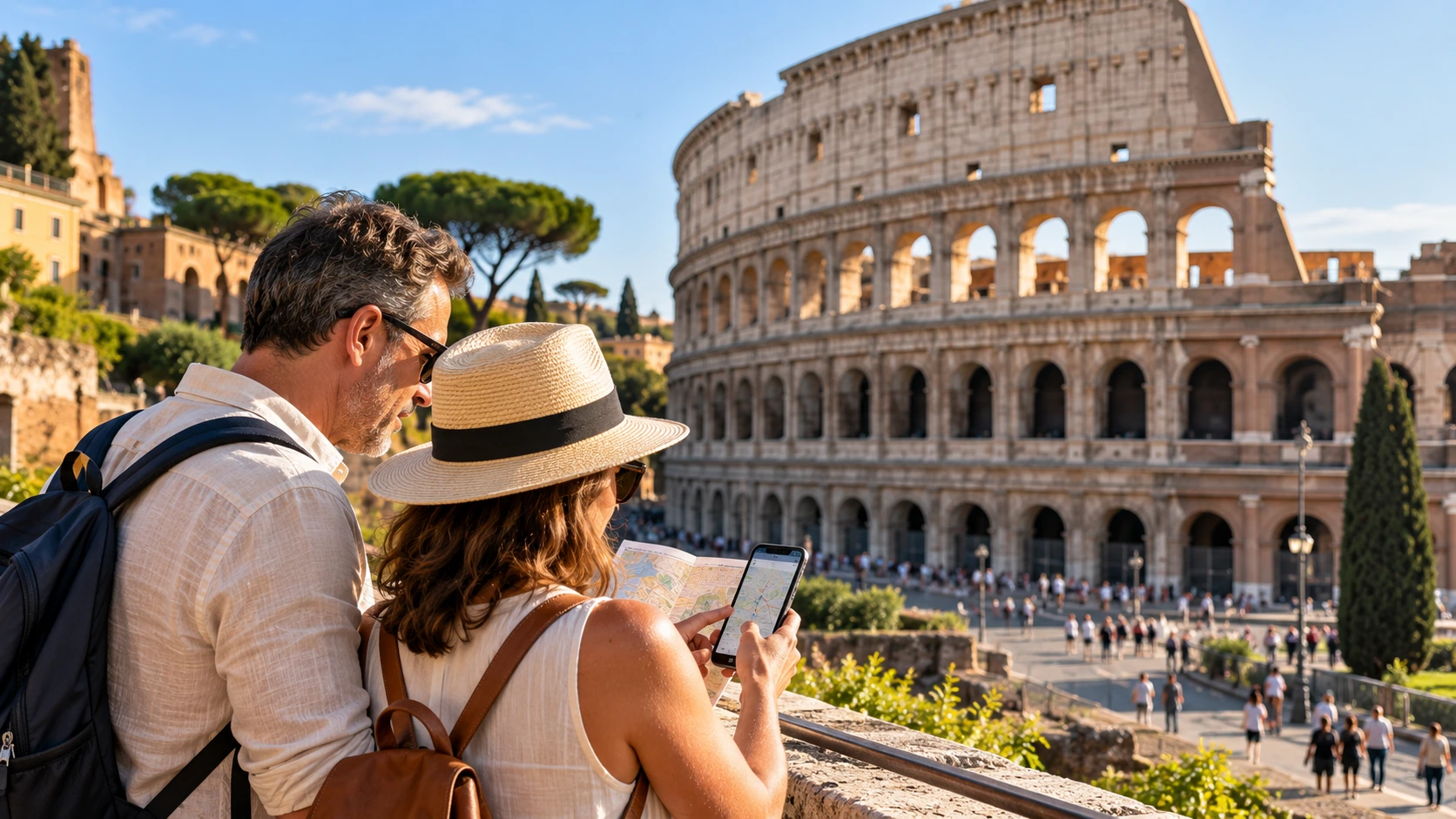
The Roma Pass decision starts with the sights you actually want to visit and how much you expect to use public transportation.
Quick Answer
Is the Roma Pass worth it?
For many first-time visitors, not automatically. The 48-hour Roma Pass costs €38 (about $43) and includes one free eligible museum or archaeological site plus unlimited city public transport. The 72-hour version costs €62.90 (about $71) and includes two free eligible entries plus unlimited city transport.
The strongest reason to buy it is when both halves of the product matter to you: you will use public transport regularly and your included attraction slots will go to higher-value eligible sites.
If your trip is centered on the Vatican, the Colosseum and only a few major attractions, a broader sightseeing pass or buying those sights separately can be a better fit.
The Decision in 30 Seconds
Choose based on the Rome itinerary you actually plan to follow.
| Your trip looks like… | What TFP would prioritize |
|---|---|
| Heavy Metro/bus use + one worthwhile eligible attraction | 48-hour Roma Pass may make sense. |
| Heavy transport use + two worthwhile eligible attractions | 72-hour Roma Pass becomes more compelling. |
| Vatican + Colosseum + several other paid attractions | Compare a broader sightseeing pass before buying Roma Pass. |
| Vatican + Colosseum are the main paid priorities | Buy those major attractions separately. |
| Mostly walking central Rome | Do the math carefully — the transport benefit may add little value. |
| You want guided interpretation at major sights | Individual guided experiences can be more valuable than a city pass. |
How It Works
The Roma Pass combines attraction benefits with Rome public transport.
The current official options are €38 for the 48-hour pass (about $43) and €62.90 for the 72-hour pass (about $71). The 48-hour version includes one free eligible museum or archaeological site; the 72-hour version includes two. Additional participating sites may be available at reduced rates.
Roma Pass 48 Hours
€38 (about $43). One free eligible museum/site, reduced rates afterward, 48 hours of included urban public transport, and three days for participating museum/site access.
Roma Pass 72 Hours
€62.90 (about $71). Two free eligible museums/sites, reduced rates afterward, 72 hours of included urban public transport, and four days for participating museum/site access.
TFP Tip
The pass only becomes compelling when the included attraction slots and the transport benefit both work in your favor. Treat those as two separate value calculations.
Why I would also compare Go City Rome
Go City Rome solves a different problem. Instead of bundling public transport with one or two free eligible attractions, its Explorer-style pass lets you choose a set number of major attractions from a broader sightseeing list. That can be a better fit when your priorities include the Vatican Museums, the Colosseum and other paid experiences that do not line up neatly with the Roma Pass.
I would especially compare Go City if you expect to walk much of central Rome and therefore place less value on the Roma Pass transit benefit. The tradeoff is that Go City is primarily an attractions product rather than a city-transport pass.
Compare Go City Rome pass options →
USD amounts are approximate and will vary with the exchange rate and any card conversion fees. Estimates use roughly €1 = $1.12 as of October 5, 2026.
What It Actually Includes
The name sounds broader than the product really is.
Roma Pass covers participating Rome museums, archaeological sites and affiliated services, with one or two free entries depending on the pass. It also includes eligible Rome public transport such as buses, trams and Metro lines within the city network.
But some of the sights most first-time visitors think of as “Rome essentials” sit outside that value proposition. The biggest example is the Vatican Museums, which are not included.
That is why the pass should be evaluated against your actual itinerary rather than the number of attractions technically available in the program.
When It Can Work
The Roma Pass is strongest for a specific kind of Rome trip.
I would consider it when you know you will use Metro, buses or trams frequently and when your included free entries will be used on attractions you already planned to visit. The 72-hour version can work particularly well if you can apply both included entries to meaningful sites and continue using transit throughout the three-day window.
The product becomes weaker when either side of that equation disappears: if you walk most of central Rome, the transport benefit shrinks; if your must-do attractions are outside the circuit, the attraction benefit shrinks.
When to Skip It
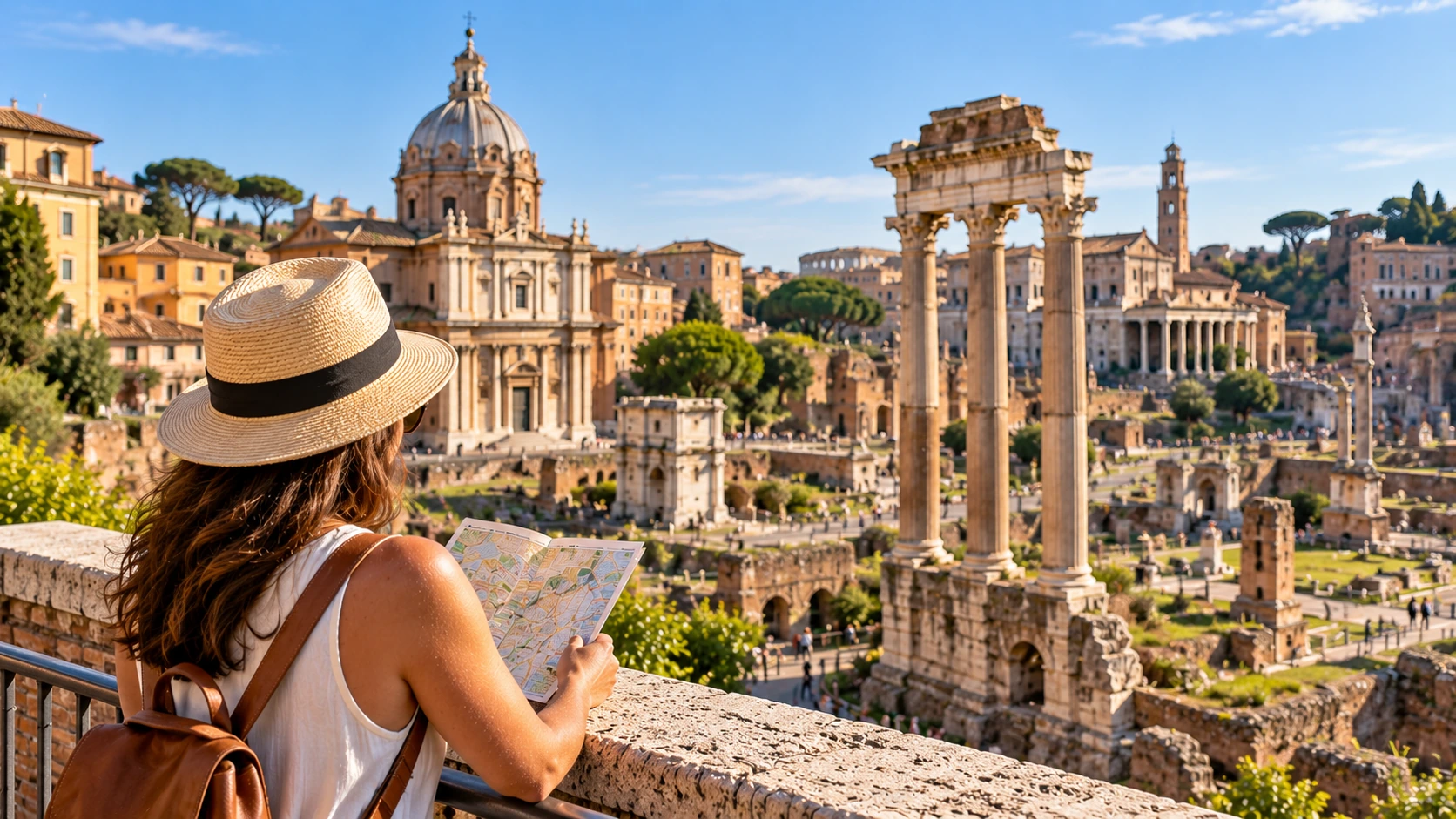
Many first-time Rome itineraries do not line up neatly with the pass.
If your trip is mainly the Vatican, the Colosseum, neighborhood walking, piazzas, churches and food, the Roma Pass may not solve the decisions that matter most. The Vatican is outside the pass, and premium or guided Colosseum experiences are separate decisions.
In that situation, buying the major attractions individually can be more straightforward. You can compare Vatican Museums + Sistine Chapel priority-entry tickets, choose a guided Vatican option, or compare a Colosseum + Forum + Palatine guided experience.
The Vatican Problem
The Vatican Museums are not included in the Roma Pass.
This is one of the biggest reasons the Roma Pass can disappoint first-time visitors. The Vatican Museums and Sistine Chapel are separate from the Roma Pass circuit, so you still need another ticket or tour if they are on your itinerary.
That creates a practical decision: if the Vatican is one of your top two Rome experiences, compare the cost and convenience of buying it separately against a broader pass that includes Vatican access.
Compare Vatican Museums + Sistine Chapel priority entry →
Compare a guided Vatican Museums + Sistine Chapel visit →
The Colosseum Decision
Roma Pass access does not remove the need to plan ahead.
Roma Pass holders still need a reservation for the Colosseum, Roman Forum and Palatine Hill. The official guidance recommends booking well ahead, especially in high season.
The included Colosseum circuit can be valuable, but the basic pass does not answer a different question: whether you want a guided experience or premium access such as the Arena Floor. If you are still deciding whether paying for a guide is worth it, see Private Tour vs Group Tour for the broader tradeoffs around cost, flexibility and depth.
Compare a Colosseum + Forum + Palatine guided option →
Compare a Colosseum Arena Floor + Forum + Palatine tour →
The Transport Question
Unlimited Rome transit sounds valuable—but only if you will actually use it.
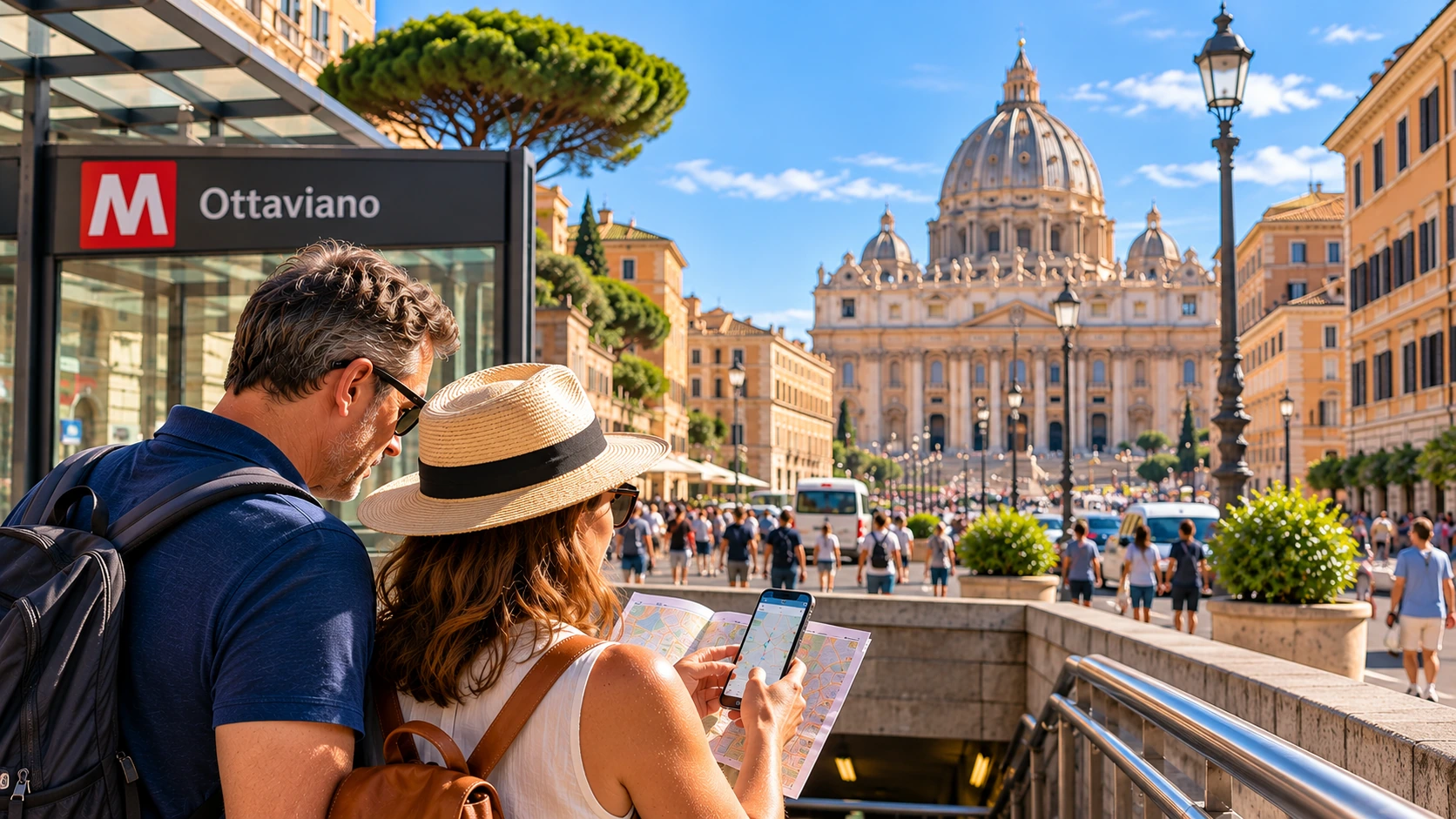
The included transport covers eligible ATAC buses, trams and Metro routes within Rome. For travelers staying centrally and walking between many sights, the benefit may be smaller than expected.
It is also important not to confuse city transit with airport transportation. Fiumicino connections, including the Leonardo Express and FL1, are not included. Certain ATAC bus connections to Ciampino can be included.
If airport transportation is part of your planning, compare the actual options on our Rome Airport Transfer guide rather than assuming the Roma Pass solves arrival and departure logistics.
The Unperceived Need
You may not need the Roma Pass at all.
The question many travelers start with is “Should I buy the Roma Pass?” The more useful question is often “What is the simplest way to buy the Rome experiences I actually care about?”
Broader sightseeing pass
Useful if you want the Vatican, Colosseum and several other paid attractions in one product. Compare broader Rome sightseeing-pass options →
Vatican only
If the Vatican is one of your major priorities, compare a priority-entry Vatican ticket instead of buying a city pass for unrelated benefits.
Colosseum focused
If Ancient Rome is the centerpiece, compare a guided Colosseum + Forum + Palatine option or a premium Arena Floor experience.
For travelers who want several paid attractions, the broader sightseeing-pass alternative is especially worth comparing because the current Rome Explorer-style product includes options such as Vatican Museums + Sistine Chapel and Colosseum/Forum/Palatine Hill in the same attraction pool.
The Fine Print That Matters
The Roma Pass has several details that can change the value calculation.
Vatican Museums are excluded
The Vatican Museums and Sistine Chapel are not part of the Roma Pass circuit.
Colosseum reservations are still required
Roma Pass holders need a separate reservation for the Colosseum. The Borghese Gallery also requires advance reservation.
Fiumicino airport transport is excluded
The Leonardo Express, FL1 and other Fiumicino airport connections are not included in the pass.
Transport and museum validity are not identical
The 48-hour card includes 48 hours of transport but three days for participating museums/sites; the 72-hour card includes 72 hours of transport but four days for museums/sites.
Some museums are already free
Several participating Rome museums are free to everyone, so using a pass benefit there would not create meaningful value.
The pass does not automatically improve every visit
A guided or premium attraction experience can still be more valuable than basic included admission if interpretation or special access matters to you.
My Take
I would not buy the Roma Pass simply because it is Rome’s official city pass.
If I were planning a first trip around the Vatican and Colosseum, I would start by pricing those experiences directly. I would decide whether I wanted simple entry or a guided visit, then see what remained on the itinerary.
If I also expected to use Rome public transport heavily and had one or two eligible Roma Pass attractions that clearly added value, I would consider the pass. But if the transport benefit were marginal or my highest-priority sights sat outside the circuit, I would skip it.
If I wanted a wider set of paid attractions, I would compare a broader sightseeing pass before committing to the Roma Pass.
TFP Recommendation
Price the Vatican and Colosseum first, then decide whether the Roma Pass still solves a real problem.
The Recommendation
For many first-time Rome itineraries, I would start with the major attractions rather than the city pass. If the Vatican and Colosseum are priorities, compare those tickets or tours first. Then compare a broader sightseeing pass if you want several additional paid attractions.
Choose the Roma Pass only when its specific combination of one or two included eligible attractions plus public transport creates clear value for the trip you already planned.
Your Next Step
Compare the path that matches your actual Rome itinerary rather than defaulting to the official city pass.
Smarter travel, straight to your inbox
Booking choices, hidden costs, travel rules, and useful fine print — explained clearly.
Before You Go
Connect the Roma Pass decision with the rest of your Rome plan.
Where you stay, how you arrive, what you do with your bags and whether you spend a day outside Rome can all matter more than squeezing extra value from a city pass.

Where to Stay in Rome
Hotel location can change how much you walk, how often you use transit and how easy the major sights are to reach.
Compare Rome neighborhoods →Luggage Storage Rome
Arrival and departure days are easier when bags are handled before timed attractions or long sightseeing days.
Plan your luggage strategy →Best eSIM for Italy
Mobile data helps keep attraction reservations, transit directions and digital tickets available while you move around Rome.
Compare Italy eSIM options →Pompeii Day Trip From Rome
Compare the train, organized tour and Pompeii + Amalfi Coast options before deciding how much of your Rome stay to devote to a day trip.
Compare Pompeii day-trip options →FAQ
Roma Pass: common questions
How much is the Roma Pass?
The current official prices are €38 for the 48-hour Roma Pass (about $43) and €62.90 for the 72-hour Roma Pass (about $71).
What does the 48-hour Roma Pass include?
It includes one free eligible museum or archaeological site, reduced admission at additional participating sites, 48 hours of eligible Rome public transport and three days for participating museum/site access.
What does the 72-hour Roma Pass include?
It includes two free eligible museums or archaeological sites, reduced admission at additional participating sites, 72 hours of eligible Rome public transport and four days for participating museum/site access.
Does the Roma Pass include the Vatican Museums?
No. The Vatican Museums and Sistine Chapel are not included. If they are a priority, compare a Vatican Museums + Sistine Chapel priority-entry ticket or a guided Vatican visit separately.
Does the Roma Pass include the Colosseum?
The Colosseum, Roman Forum and Palatine Hill are part of the participating circuit, but reservation is required. If you want interpretation or special access rather than basic admission, compare a guided Colosseum option or an Arena Floor experience.
Does the Roma Pass include airport transportation?
Fiumicino airport connections, including the Leonardo Express and FL1, are not included. Certain ATAC bus connections to Ciampino can be included. See our Rome Airport Transfer guide for the broader arrival options.
Is the Roma Pass worth it if I mostly walk?
It becomes harder to justify when you do not use the transport benefit much. In that case, compare the value of the included attraction entries against buying the major sights separately or using a broader sightseeing pass. Compare broader Rome sightseeing-pass options →
Is a broader Rome sightseeing pass better than the Roma Pass?
It can be for travelers who want attractions outside the Roma Pass circuit, including the Vatican, or who want a fixed number of major attractions in one product. The right choice depends on the exact sights you plan to visit. Compare current Rome sightseeing-pass options →
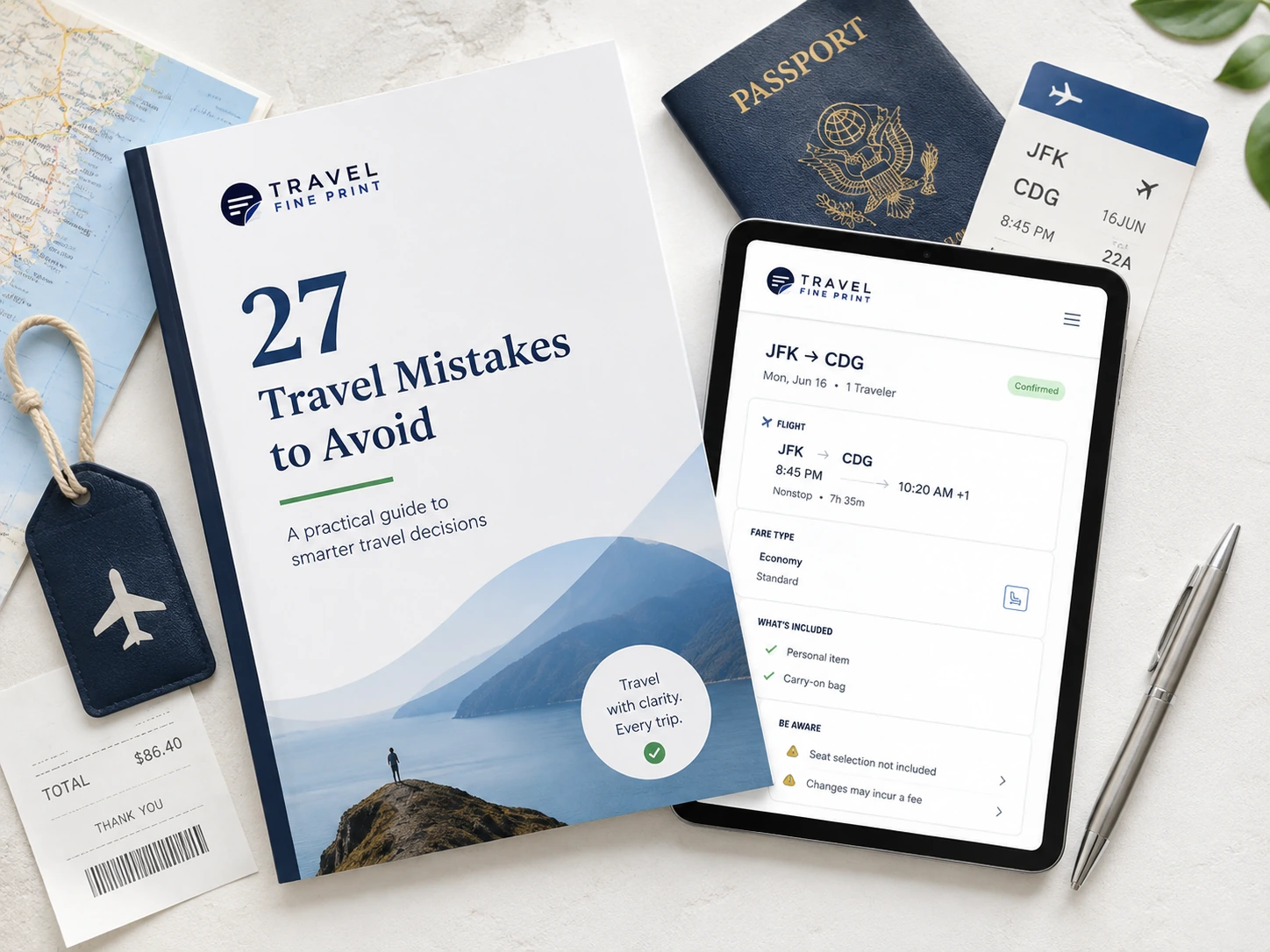
Free Travel Guide
Avoid the travel mistakes that can cost you money, flexibility, or time.
Get 27 Travel Mistakes That Cost Travelers Thousands — a practical guide to booking mistakes, hidden costs, travel rules, and decisions worth understanding before they become a problem.
- Spot booking details that are easy to overlook
- Understand where hidden costs can appear
- Recognize when a cheaper option comes with a tradeoff
- Make travel decisions with fewer surprises
You’ll also receive occasional practical guidance from Travel Fine Print on booking choices, hidden costs, travel rules, and the fine print worth understanding. Unsubscribe anytime.